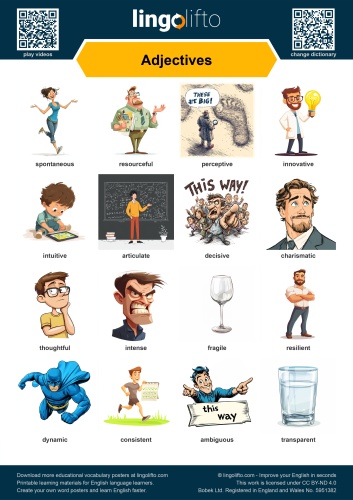
Oliver had always been admired for his charismatic presence. When he spoke, even in the most ordinary of settings, his words carried weight. Some said he was naturally articulate, while others believed his strength lay in his perceptive ability to notice details others overlooked. Whatever the case, when the board called for a crisis meeting, it was clear he would play a pivotal role.
The situation was ambiguous. A rival company had leaked information that was partly true, partly false, blurring the line between fact and speculation. The truth needed to be transparent, yet the documents in front of them were anything but.
Sitting at the long table, Oliver studied his team. Clara, his deputy, was remarkably resourceful; she always found solutions where none seemed possible. Her innovative ideas had saved them more than once, and her intuitive grasp of people’s emotions meant she often caught problems before they erupted. She was quieter than Oliver, but just as thoughtful and steady.
“Let’s be decisive,” Oliver said, his tone calm yet intense. “The longer we wait, the more fragile our reputation becomes.” His eyes swept the room. “But remember, fragile does not mean broken. We are resilient—we can recover, if we act wisely.”
Clara nodded. “Then we need a consistent message. No matter what they say, our response must remain the same.” Her suggestion was practical, yet her perceptive glance at Oliver suggested she expected him to deliver it with his usual charismatic confidence.
At that moment, James, their youngest strategist, spoke up. He was known for being both spontaneous and dynamic, traits that could be dangerous in a crisis but also surprisingly effective. “What if,” he began, “we don’t just respond, but turn this into an opportunity? If we’re bold, our competitors’ trick might backfire.”
Oliver considered it. James’s plan was daring, perhaps too much so, yet undeniably innovative. It carried risk, but it also carried energy—something the team sorely needed.
“Your idea is risky,” Oliver said carefully, “but I appreciate your thoughtful reasoning. If we temper it with Clara’s consistent strategy, it may work.” His decision was firm, almost decisive, but still open to refinement.
The debate grew intense, ideas colliding, merging, reshaping. Some suggestions were fragile, breaking under scrutiny, while others proved resilient, standing strong despite challenges. Oliver’s role became not just to guide but to be transparent, making sure every choice was clear and understood.
By the end of the evening, the team had crafted a plan that was at once innovative and steady, both intuitive and logical. It carried the freshness of something spontaneous, yet the strength of something deeply consistent.
Oliver leaned back, exhausted but proud. The meeting had begun in ambiguity, shadowed by doubt, but had ended with clarity. His team had shown not only their resourceful skills but their dynamic spirit.
And as he looked around the table at their determined faces, Oliver knew that their greatest strength was not just being articulate or charismatic—it was their ability to remain resilient, no matter how fragile the situation seemed.