🇬🇧🇨🇳 take off - 脱掉 : English Lesson
verb
Meaning of "take off" ("脱掉"), detailed definition, and a short video lesson below.
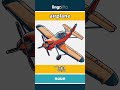
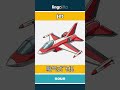
“Take off” means to lift up from the ground and start flying into the air, like when a plane speeds down the runway and suddenly rises, or when a bird jumps and flaps its wings to go up, up, and away.
The mosquito tried to take off from my arm, but not before I slapped it into early retirement.
The bumblebee took off so slowly it looked like it had to remember how wings work.
As the jet took off, my ears popped and my brain asked, “Are we supposed to do that?”
My toy drone tried to take off, spun in circles, and bravely crashed into the laundry basket.
The helicopter began to take off, and my little cousin shouted, “Look, the fan is getting away!”
The girl and her friend stand by the grass. They hold a paper plane. "Take off, take off," they shout. She runs and lets it go. The paper will take off, then will take off high. A real plane will take off in the blue sky. They clap and smile.
🧑🎓 CEFR Level: A1 Beginner
This word is at the A1 level, which means it is one of the first words you learn when starting English. It’s commonly used in everyday conversations and helps you communicate basic ideas like greetings, family, or daily activities.
Expanding your English vocabulary is one of the best ways to improve your pronunciation, spelling, and confidence in English. Watch the video above to memorize the word, understand its meaning, and see example sentences in action. Discover related words to grow your vocabulary naturally. Add words to your playlist for stress-free, effective learning—anytime, anywhere! Watch, learn, repeat.