📖 The Feast in Willow Village
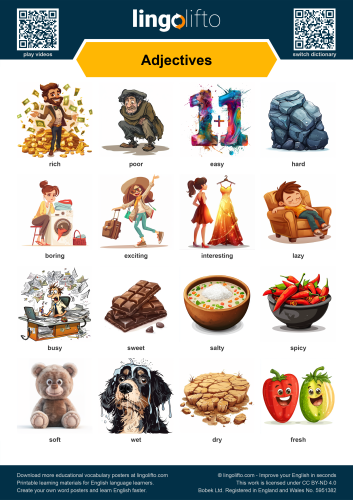
In Willow Village, there lived both rich merchants and poor farmers. Life was not always easy for the farmers, who worked the fields in the hot sun and the wet rain. Their work was hard, but they were proud of the fresh vegetables and fruits they grew. The merchants, on the other hand, lived in soft houses with beautiful carpets, where life sometimes felt too boring, even with all their wealth.
One day, the mayor decided to hold a great feast to bring everyone together. The idea sounded exciting, and both the busy farmers and the lazy merchants were invited. The feast would not be easy to prepare, but the people wanted to make it the most interesting day of the year.
On the morning of the feast, the farmers brought baskets of fresh bread, sweet apples, and spicy peppers. The merchants contributed with salty cheese, soft cakes, and jars of honey. The cooks worked all day in the hot kitchens, while helpers carried water from the river, often returning with their clothes wet. Others gathered firewood to keep the pots boiling, though it was not easy work in the dry summer air.
At last, the feast began. The long tables were filled with dishes both boring and exciting. Some people preferred the simple sweet pies and soft bread, while others loved the spicy soups and salty fish. Every dish was interesting, with flavours that told the story of the village.
The children laughed, finding it all so exciting, while the adults spoke about the year’s hard work. Even the merchants, usually a little lazy, helped to serve food, realising that being busy together was more fun than being boring alone.
By the time the sun went down, everyone—rich and poor, busy and lazy—felt the same. They were tired, but their hearts were soft with kindness, and their stomachs were full of fresh, sweet, salty, and spicy food.
As the fire burned low and the night grew dry and cool, the villagers understood something important: life could be hard or easy, sometimes boring, sometimes exciting, but it was always more interesting when shared together.
And so, the Feast of Willow Village became a tradition, reminding both rich and poor that happiness is not in money, but in sharing fresh food, good company, and a little laughter on a busy day.